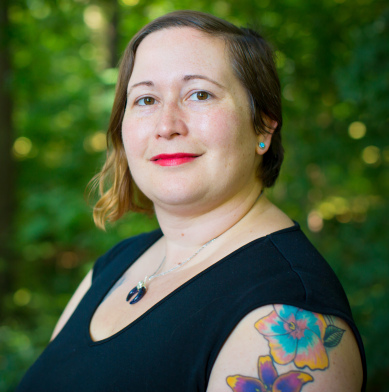
Sonora Taylor is an active member of the Horror Writers Association and serves on the Board of Directors for Scares That Care. She is the award-winning author of several books and short stories, and frequently appears on “Best of the Year” lists. In 2020, she won Ladies of Horror Fiction Awards for Best Novel (Without Condition) and for Best Short Story Collection (Little Paranoias: Stories).
Read on to learn more about Sonora and her career through the years!
Q: Who has been your biggest supporter(s) throughout your writing career?
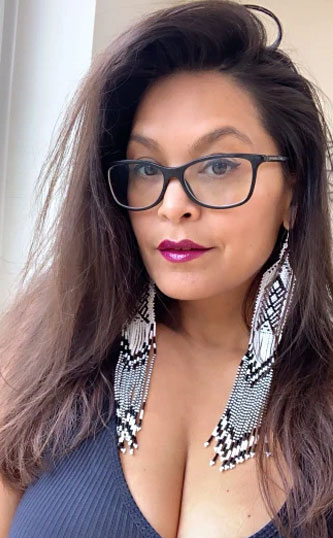
A: Oh gee, I have the best problem in that I can’t possibly name one person! I’ve been fortunate to have so many wonderful supporters in my corner, both in and out of the field. The first name that came to mind, though, was V. Castro. We met pretty early in our respective careers, though I believe she’d been reviewing with different horror sites, had published two books, and had written several others by the time we met. We became friends and she was a big champion of my work early on.
We worked on a website together, Fright Girl Summer, and we’d also send each other early versions of our work to spot-check and critique because we trust each other’s judgment and are honest with one another, something very valuable in this field. Even as she’s become super busy and super prolific with all of her well-deserved success, she still cheers on my work and makes time to talk to me on Zoom, where we chat about writing, stories, and life. I deeply value her friendship and am so happy to see her work being read by more and more people. She’s the genuine article, and so talented. We’re lucky to have her in the horror community!
Q: Where do you draw inspiration from in your work?
A: I have generalized anxiety disorder, and a lot of my work comes from the symptom of wondering how any and everything can be dangerous. What if that friendly stranger is actually a murderer? What if the stick figure family on a car is actually a body count? I also have a gallows sense of humor, probably because laughter helps me not curl into a panic ball every time I go outside (humor and good medication help, I might add); and a lot of my plot lines started with a question or predicament I find darkly funny.
For example, Seeing Things was based on me laughing at the thought of what it’d be like if you discovered you could see the dead, but none of them wanted to talk to you. As I expanded the story though, it went from darkly funny to simply dark, which is a horror style I greatly enjoy.
Q: What does it mean to you to be an author?
A: At the basic, technical level, it means you’ve published a story. That’s the only thing separating author from writer. However, I mean “publish” in the most basic sense of the term. Whether you’ve self-published or been published by a publisher, you are an author. Getting your book published is hard work, whether you do it yourself or query and sell it. You should wear that author title and be proud of it. Don’t keep moving that goal post.
Q: What is your writing process like? Do you listen to certain music, snack, make loads of phone notes when inspiration randomly strikes?
A: I’m a pantser, someone who doesn’t outline before writing a story, because a lot of my best story arcs comes to me as I get to know the characters by writing them. That doesn’t mean I’ve never written down a brief outline or synopsis – I usually will so I don’t forget the story when I’m ready to work on it. However, I also think outlines can be limiting if you force yourself to stick to it as you write. Every story I’ve written, especially the novels, has had a different ending than the one I originally wrote down. What’s fun about writing it down, though, is seeing how the ending really wasn’t that different in essence, simply in substance.
I usually listen to music when I write because I listen to music when I work. I have water or tea but usually not snacks because I need to have my hands unoccupied. I have a day job, so I write when I can. I also don’t write on weekends unless I’m especially inspired or if I’m on a deadline, because writing is a job and we all need rest from our jobs.
Q: Is there a genre or subgenre that you want to explore that you haven’t yet? Conversely, are there any that you’ll never write?
A: I’ve written ghost stories, but I’ve yet to write a proper haunted house tale. The next book I want to write has haunted house vibes, but even there, the main antagonist is a ghost using the house for their malice. I love haunted house stories though, especially the idea of the place as the monster. It’s on my writing bucket list for sure.

Never say never, and if years from now I write in this genre, feel free to show me this answer; but I’ll likely never write extreme horror or splatterpunk because I’m not good at it. While I fully believe in expanding one’s boundaries and not limiting oneself when it comes to writing, I also know the value of staying in my lane when it suits me.
Q: What has been the hardest part of your career as an author so far?
A: Marketing! I’m good at marketing and self-promotion, but that’s not to say it isn’t hard/ You have to be on almost every day, especially when you’re an independent author (but even traditionally published authors are expected to market their own books now). You also have to find a good balance between promoting your work regularly but also doing what suits you, your schedule, and most important, your personality; especially because people can see right through you when you’re blatantly out of your marketing comfort zone (this is why I’ll never join TikTok, even though it’s great for books; because I’d definitely be Steve Buscemi saying “How do you do, fellow kids” on there).
I do suggest that if you are an author, at least post a link to your book every day, just once; and it can be as simple as “Here’s my book, available here.” One of the best pieces of marketing advice I got early in my career is, “No one thinks about your book as much as you do.” Get it out there for others to think about too!
Q: What do you consider to be your greatest strength and weakness as an author?
A: My greatest strength is dialogue. I’m good at it and my writing flows so much better, even in the first draft, when I write a conversation between two (or more) people. It’s also the best way to get to know your characters.
My greatest weakness is that I’m so eager to get to the point that I’ll sometimes forget important exposition details, which is why I’m grateful for a good editor. My long-time editor, Evelyn Duffy of Open Boat Editing, is great at that and offers helpful exposition advice without writing it out for me.
Q: Who is on your radar as someone you’d love to work with?
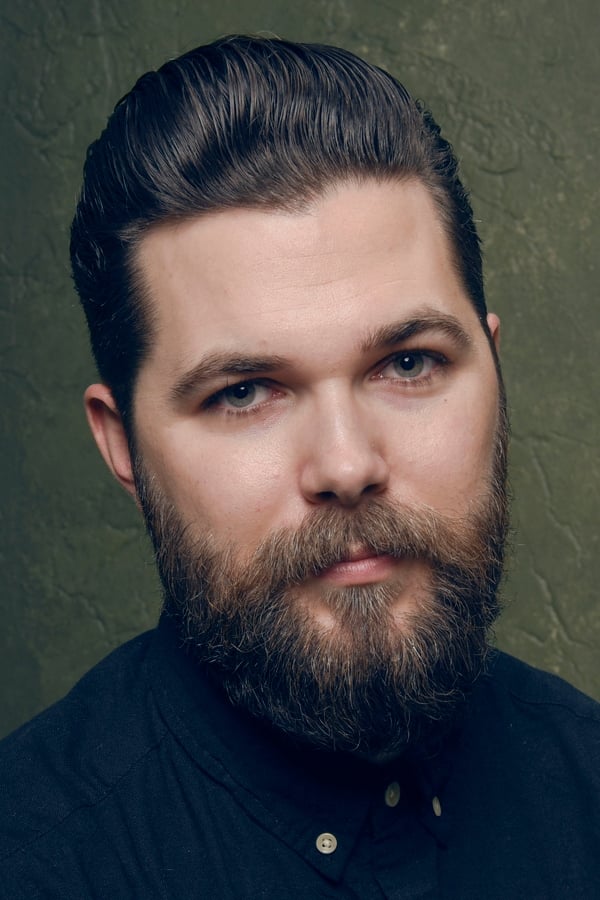
A: I’m going to shoot for the moon: Robert Eggers and Bill Hader. Robert Eggers makes movies that are the kind of stories I like writing, and I’d like to once again put out in the universe that I’d love to write a novelization of The Lighthouse. Bill Hader produced one of my favorite series, Barry, and he’s said he’d like to direct a horror film. If he’s looking for a story to adapt, he can contact my agent (me) at sonorataylor@gmail.com
Q: At some point in our lives, we’ve all heard the negative comments: “You’re not good enough.” “You’ll never make it.” “This is the worst thing I’ve ever seen.” “You don’t belong.” How do you move forward when faced with negativity?
A: It hurts for sure. Reviews are for readers, not authors, but we all sneak a peek at our reviews from time to time and that means seeing the bad ones. I try to remember that I did my best, and that a lot of people worked on a given book – even the self-published ones. If none of them stopped it from going to press, then surely someone believed in it (Evelyn, who edits my self-published books, point-blank told me she would never let me publish something that would be reviled en masse, and so far, her track record is spotless).
I think it’s important to keep looking forward to the next story, and let the existing one exist on its own like a baby bird leaving the nest. We all grow as writers with each piece we create, and honestly, it excites me to know I’m not yet at my best.
Q: What advice would you give to women who are wanting to write, especially if it’s something others might perceive as “outside of the norm”?
A: First, write the story you want to write. Second, write it for your most important audience member: you. If you write the book you want to read, you put your love into it; and that’s contagious. There is always at least one other person out there who’ll love that book as much as you do once they find it.
Third, “the norm” is arbitrary and genres are fluid. Write what you want, then let your editor or publisher or a class assist you with how to market it if you’re unsure how. Fourth, find fellow writers you can talk to about the process, be it in the form of a writing and critique group or even DMs with one or two people you can talk openly with about your work and your career. You need that support, and as much as your non-writing friends or family may support you, you also need it from a peer who knows what you’re going through and can provide valuable insight.
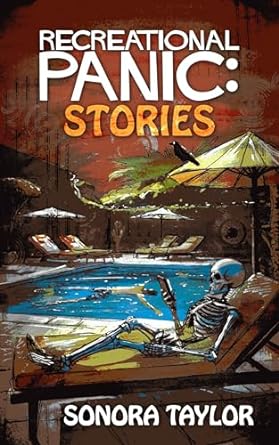
On March 5th, Sonora released Recreational Panic, a collection of twenty-one short stories, poems, and a guided meditation. Each facet of this collection features the theme of learning to live with fear and mitigating it through seemingly innocuous things. Sit back, relax, and feel your heartbeat quicken – it’s time to panic!
Sonora recently read Every Woman Knows This by Laurel Hightower and loved it. It’s Laurel’s first short story collection and Sonora thought she really knocked it out of the park, calling this collection “excellent stories from beginning to end.”
If you want to keep up to date with Sonora and get all kinds of interesting horror recs, check out her website and follow her on Facebook and Instagram!
Discover more from Alpha's Court
Subscribe to get the latest posts sent to your email.


 Alpha's Court
Leave a comment